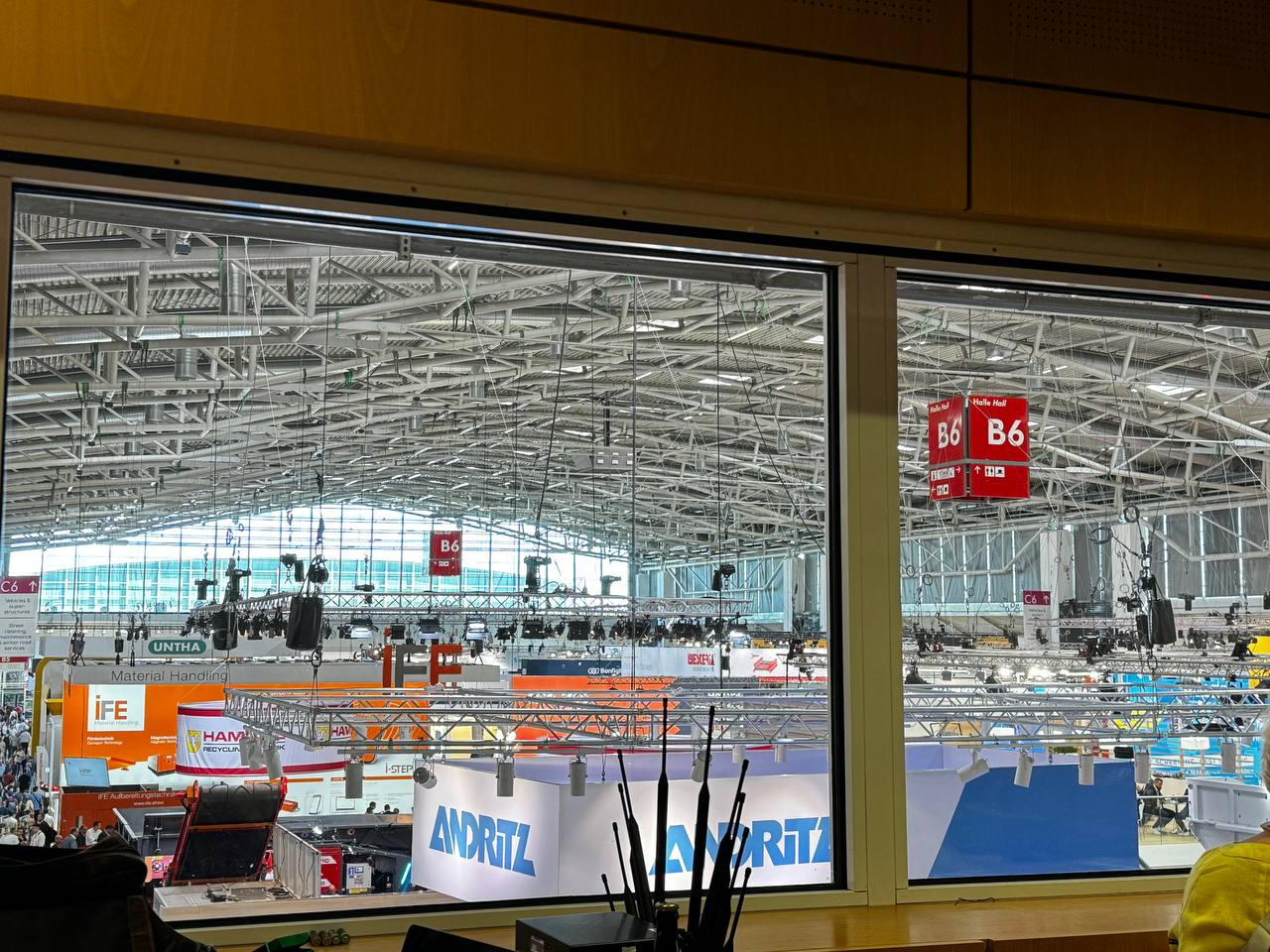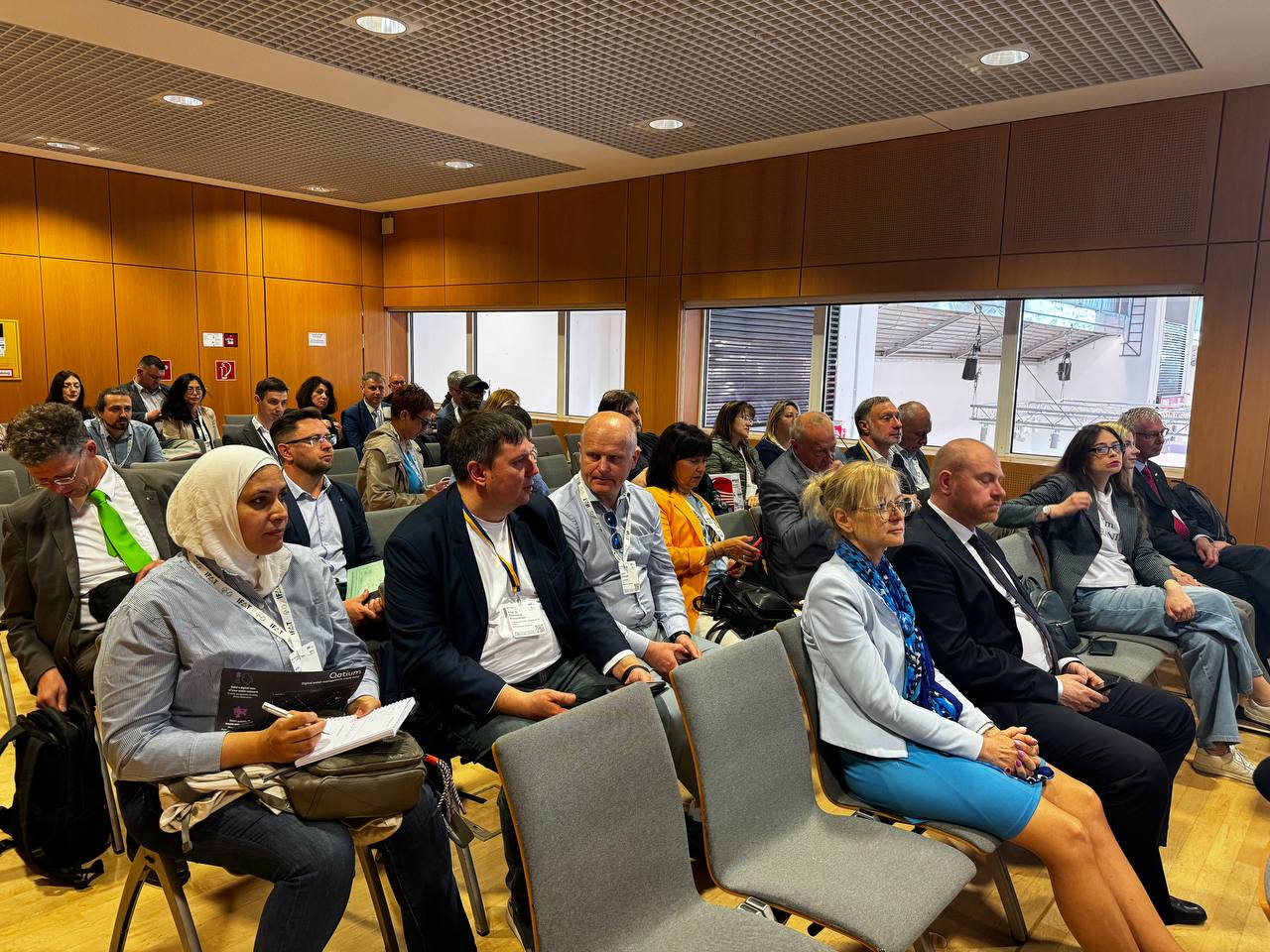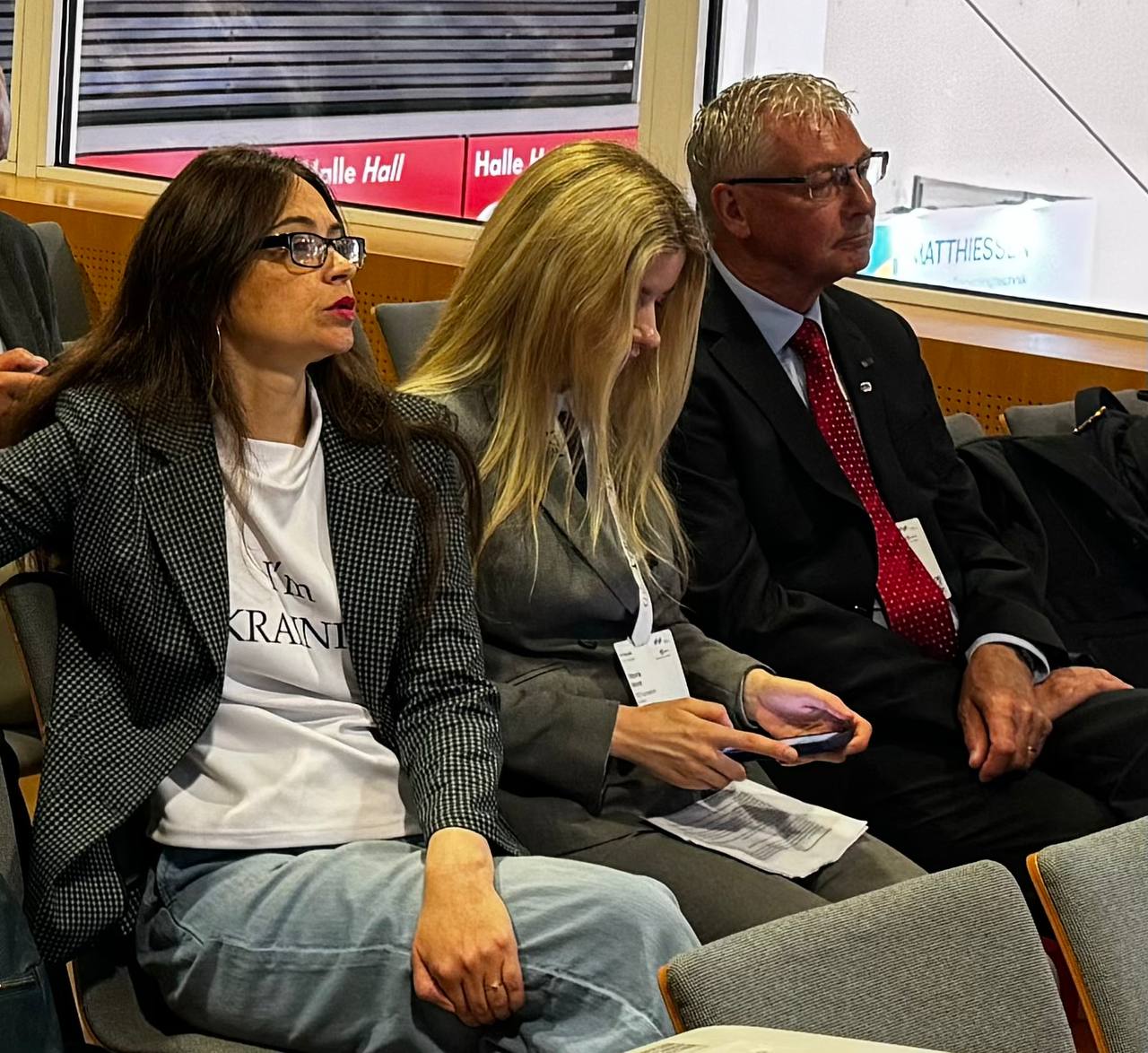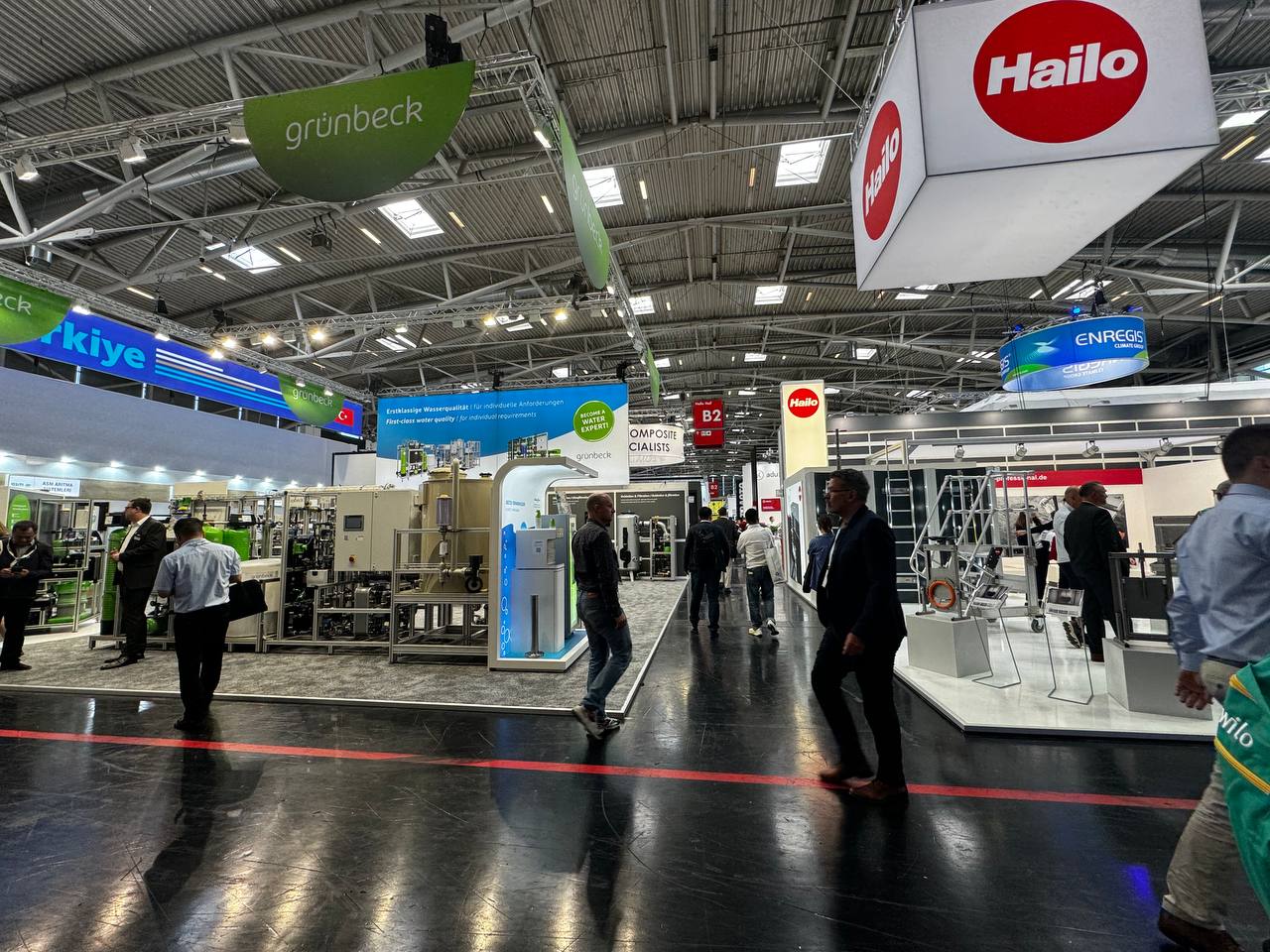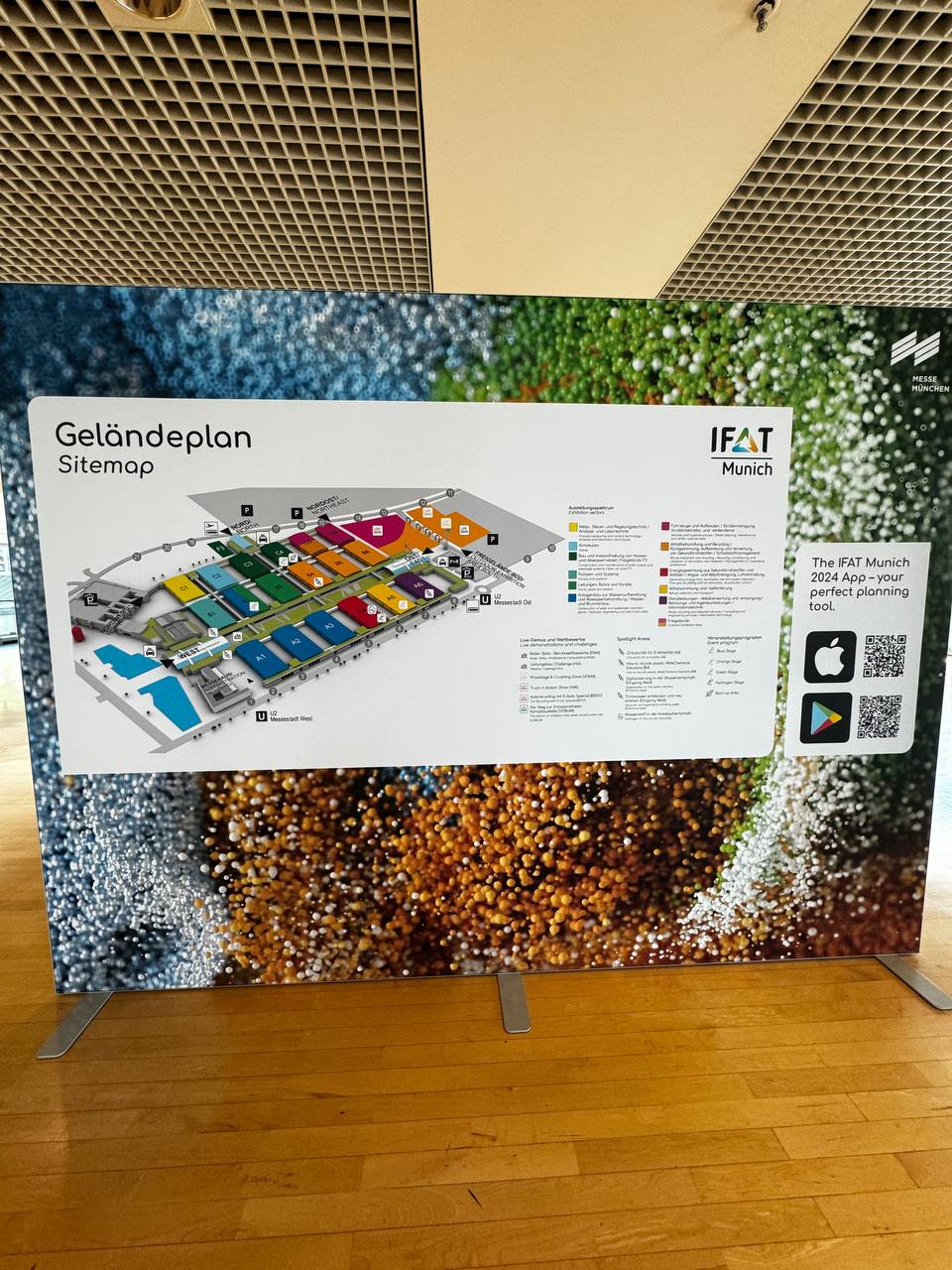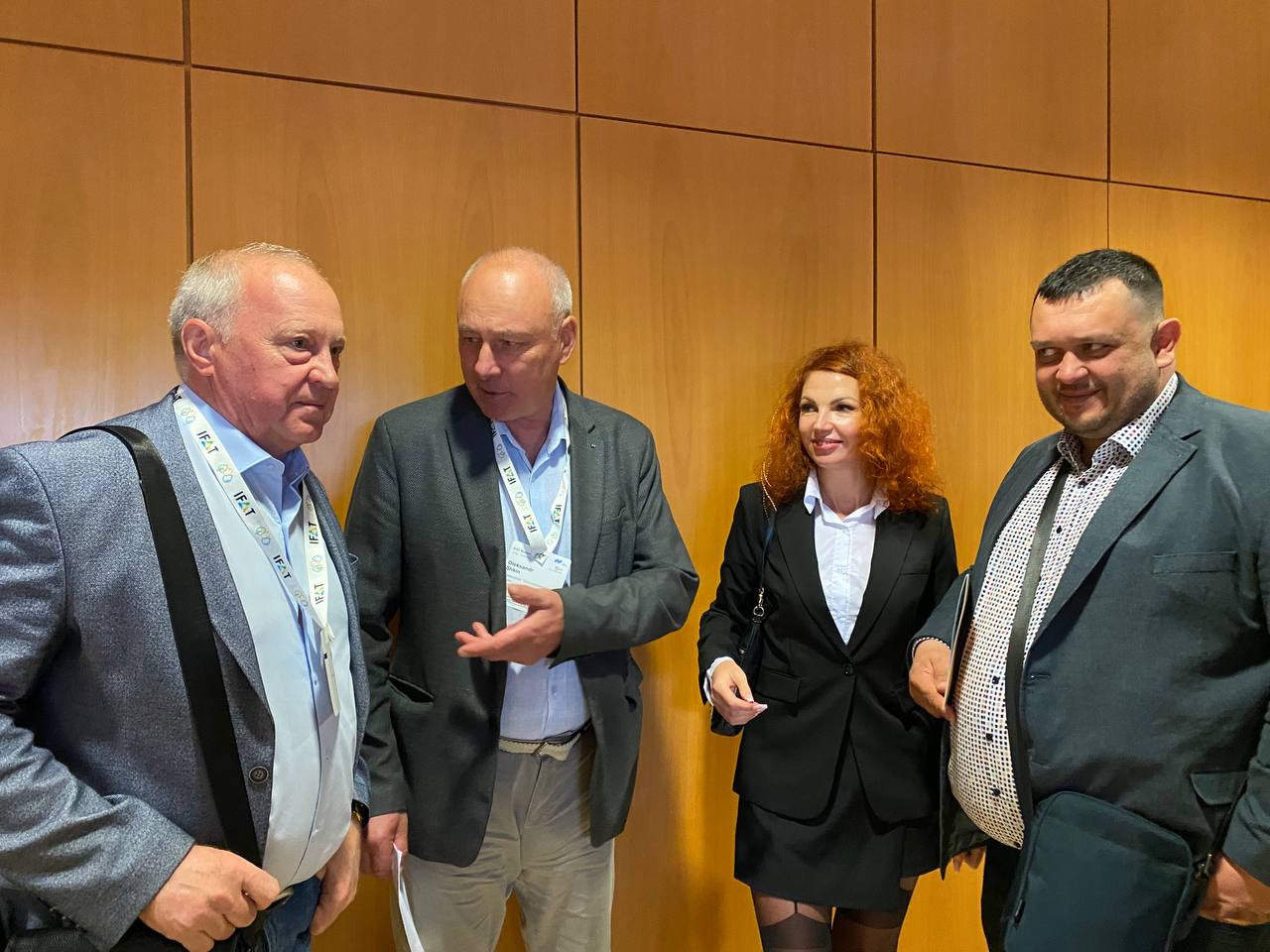
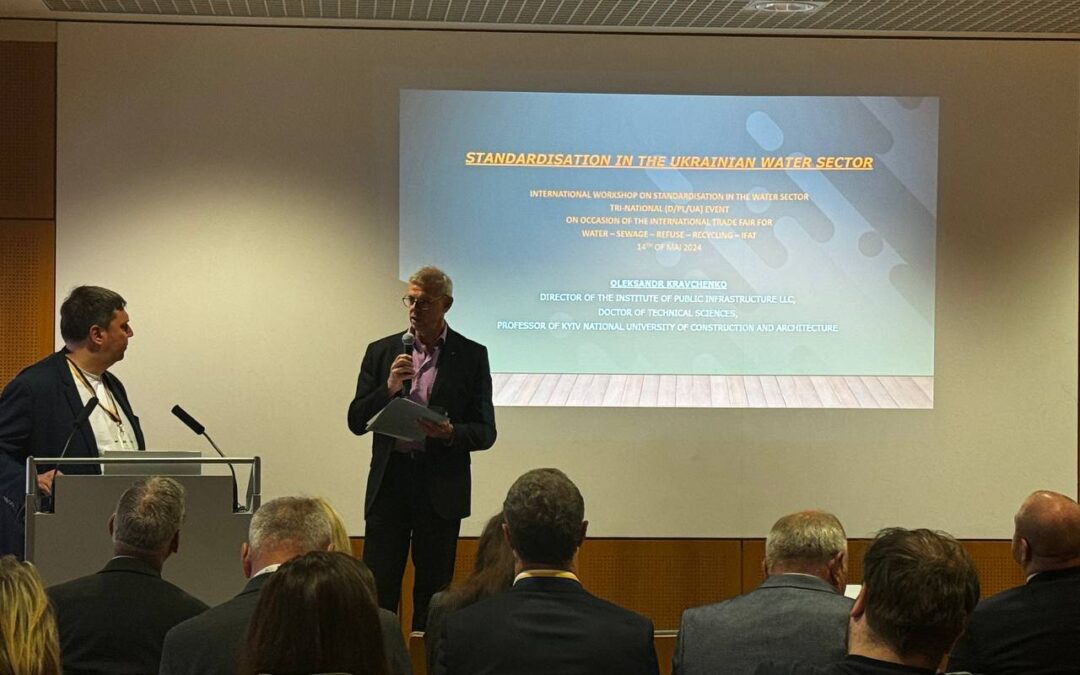
An international seminar dedicated to standardization in the water sector was held at IFAT 2024, the world’s largest utility exhibition, in Munich.
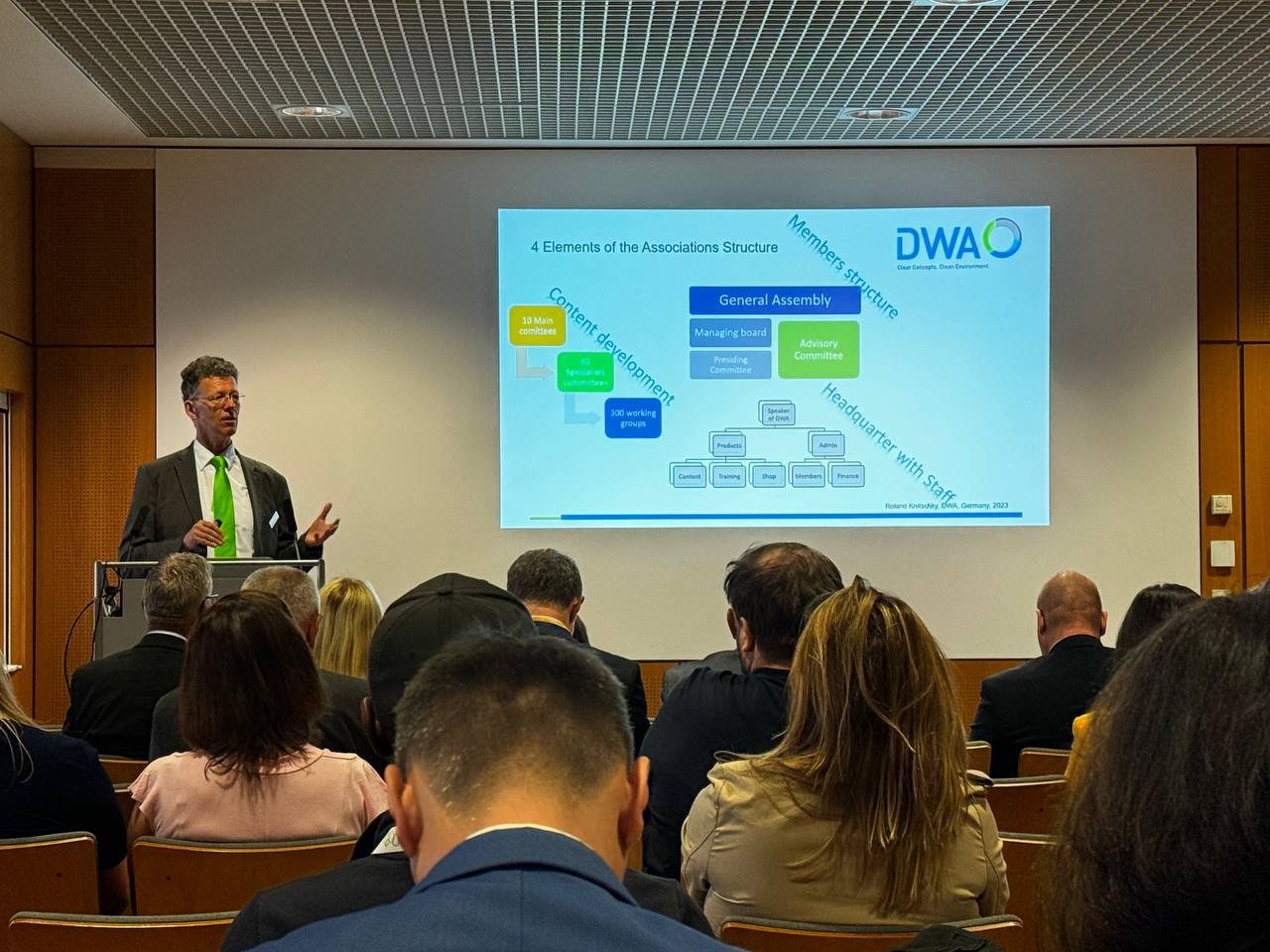
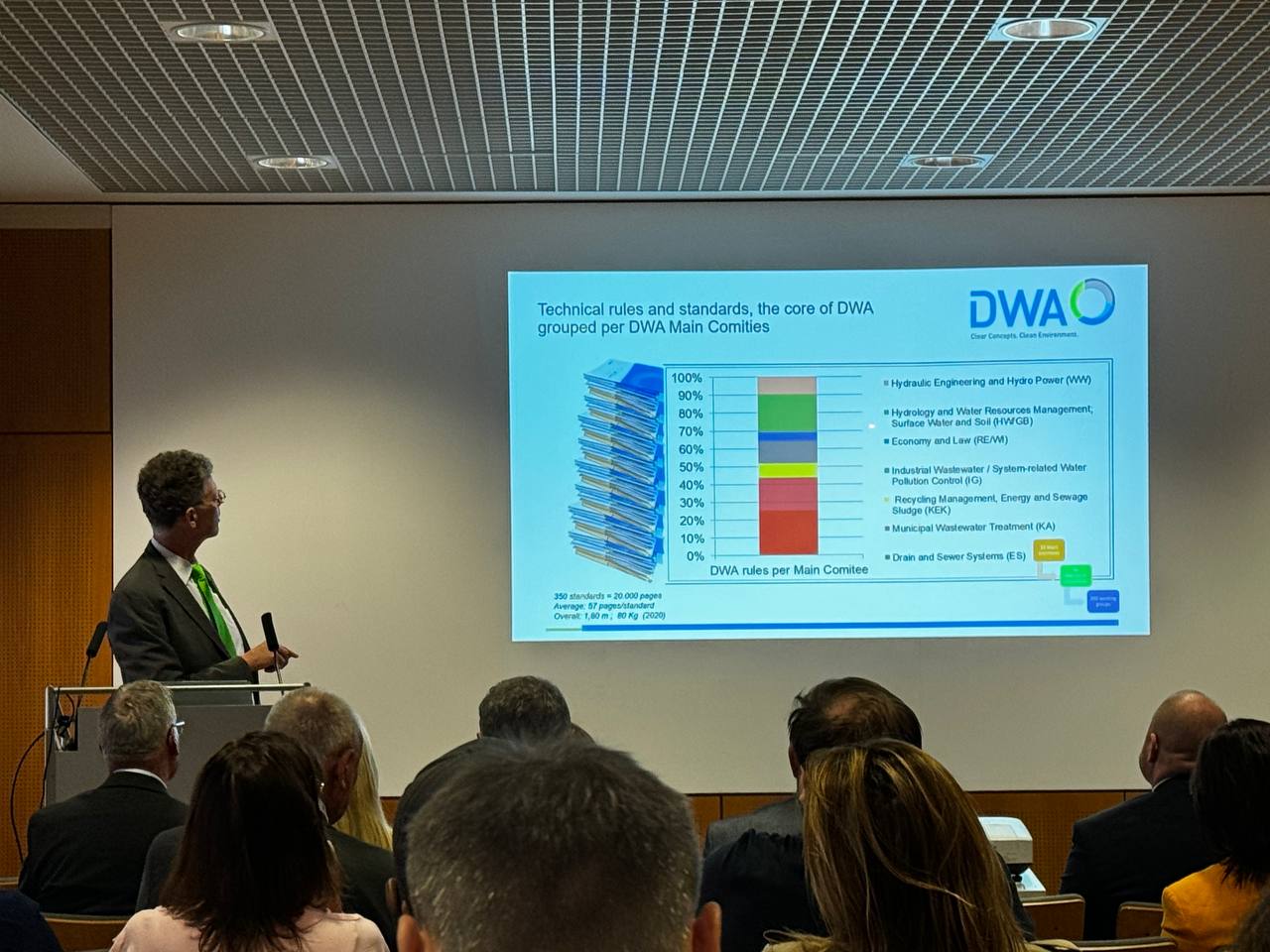
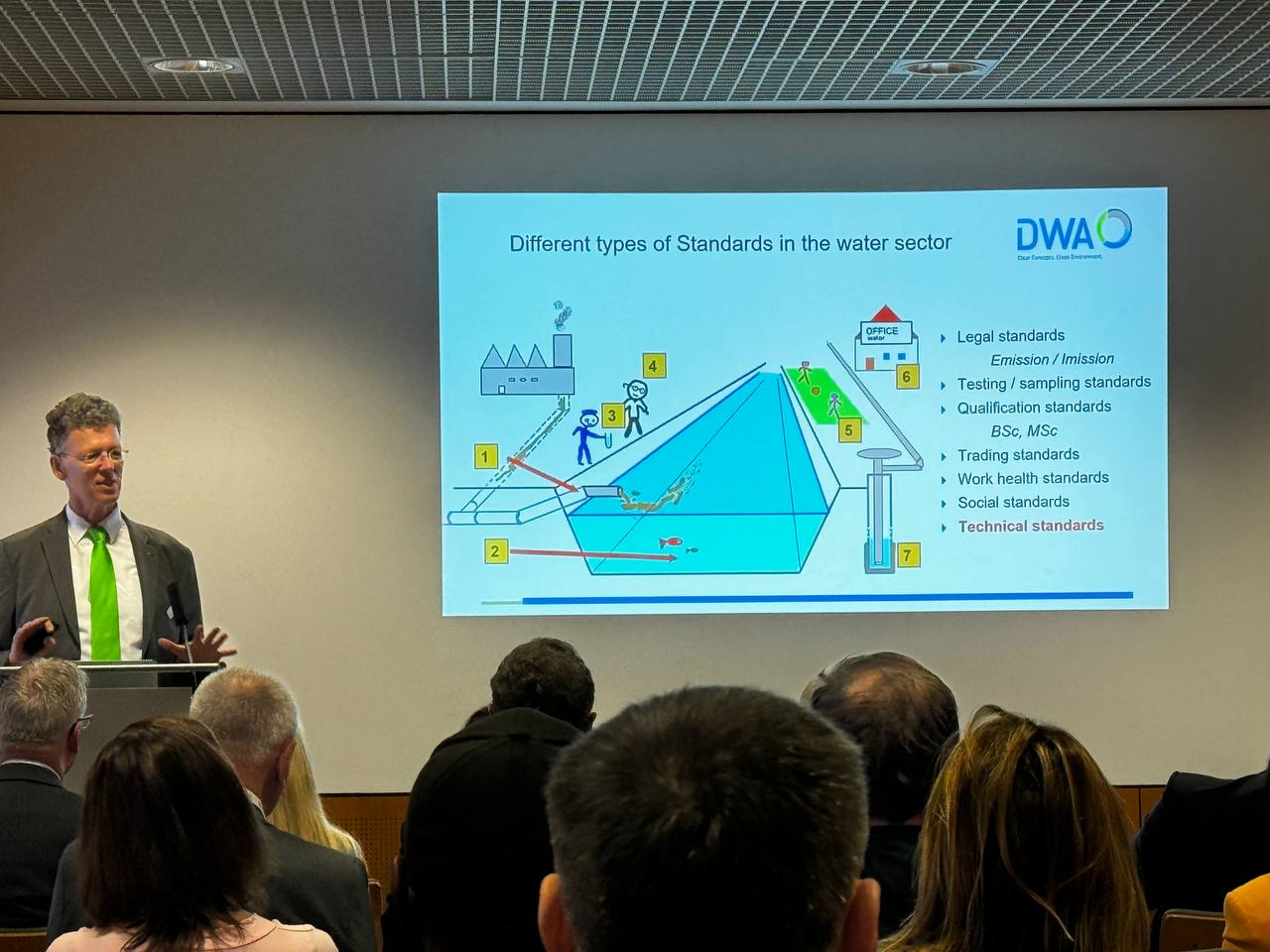
Roland Knitschky, a representative of the German Association for Water Management, Sewage and Waste (DWA), shared insights on the potential and challenges of standardization in the water sector. He outlined various types of standards in the water sector, including legal, qualification, technical, social, sampling, implementation, workplace health standards, and more. He focused particularly on technical rules and standards, such as those concerning hydraulic engineering, hydroelectric power, hydrology and water resource management, surface water and soil management, recycling management, energy and sludge from industrial and municipal wastewater, water pollution control, drainage, and sewer systems.
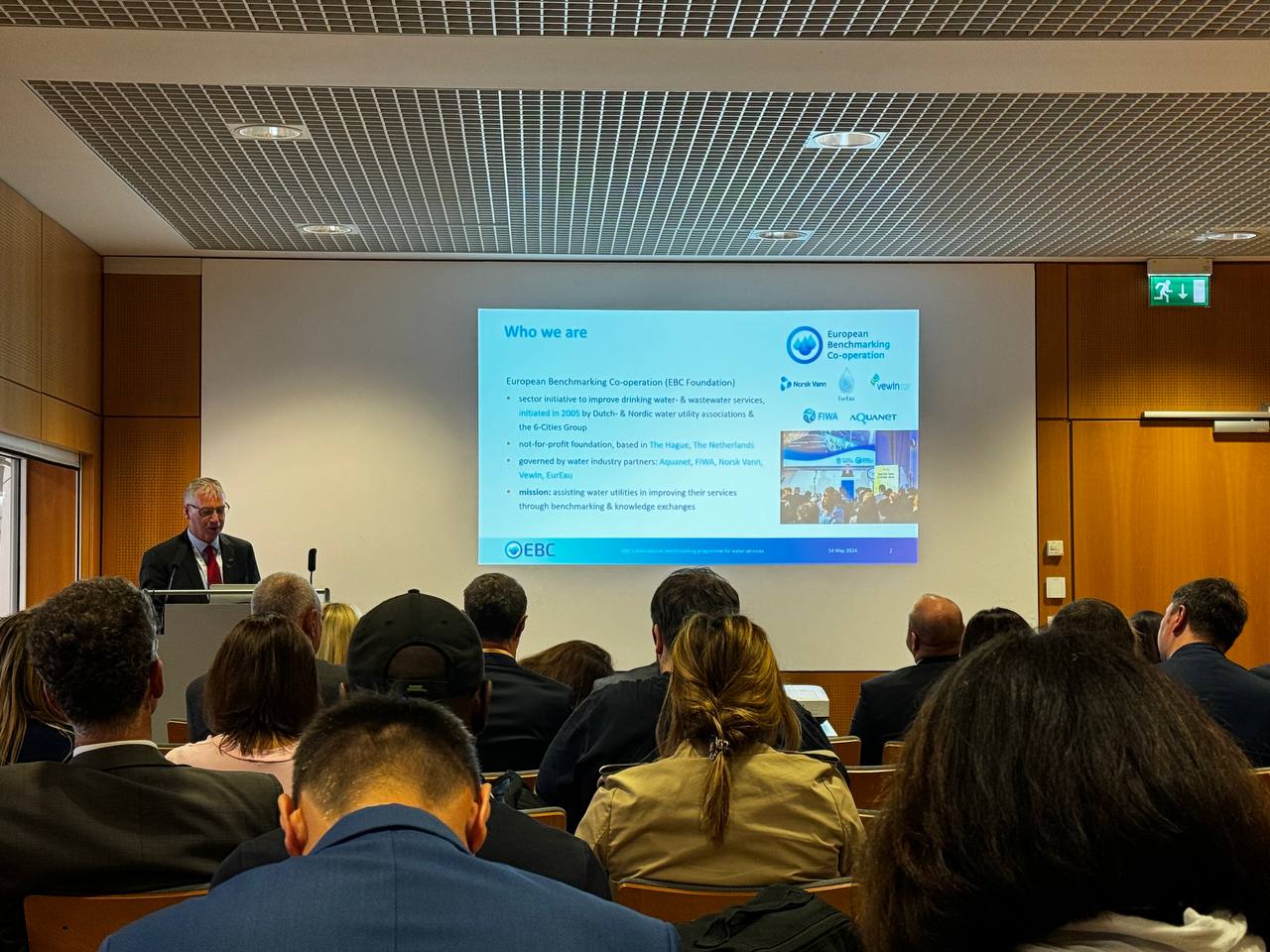
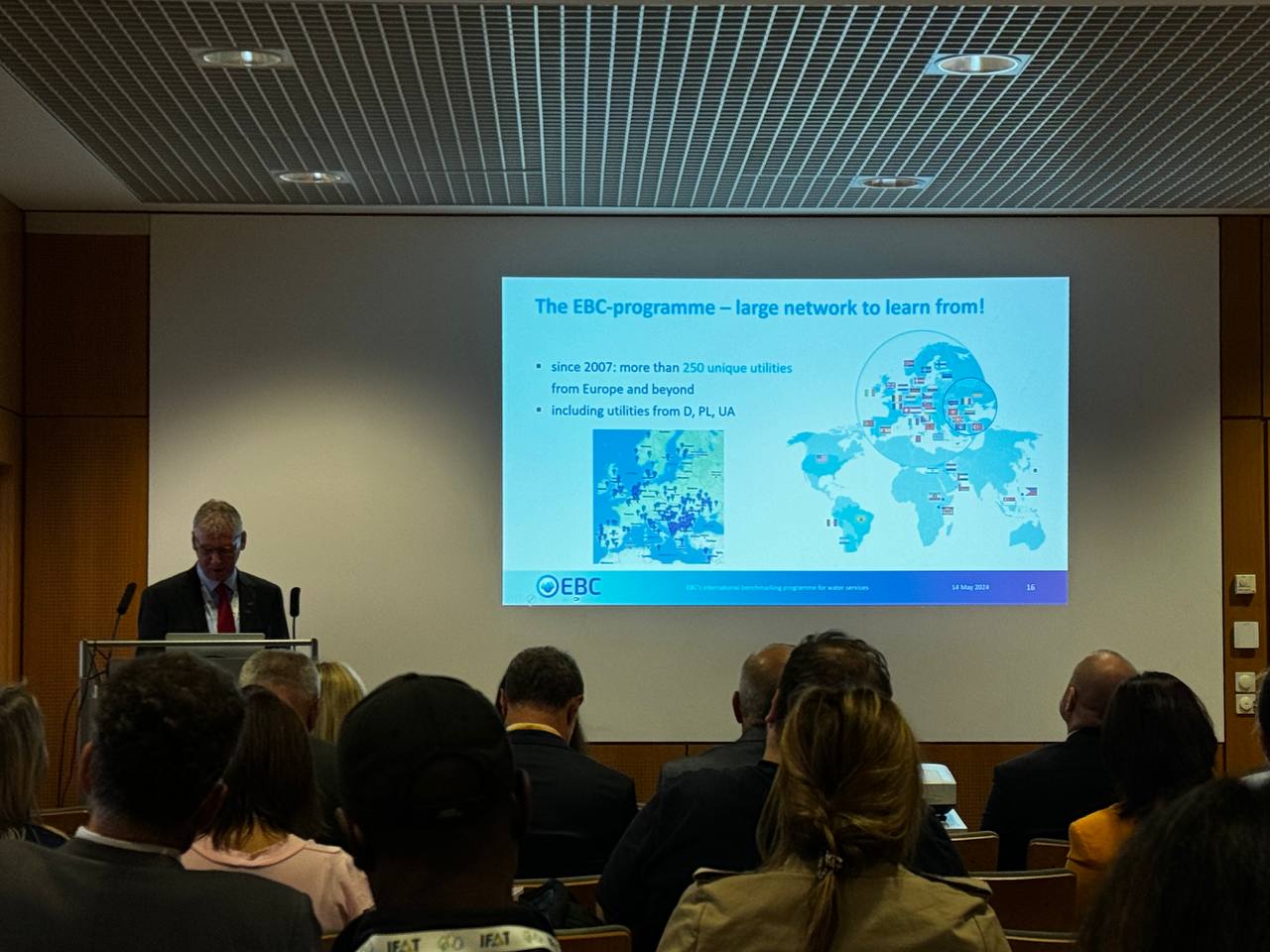
Furthermore, discussions were held on how to assist water utilities in improving their services through benchmarking and knowledge exchange. The European Benchmarking Co-operation (EBC Foundation), initiated in 2005, aims to enhance drinking water supply and wastewater services. Peter Dane, Managing Director of the EBC Foundation, highlighted that over the past four years, the EBC Foundation’s efforts have led to a 12% increase in electricity generated from renewable sources, a rise in the share of renewable electricity in the total purchased electricity to 24%, a reduction in losses along the main and service networks by 11%, and a 16.3% decrease in the climate footprint per cubic meter of distributed drinking water.
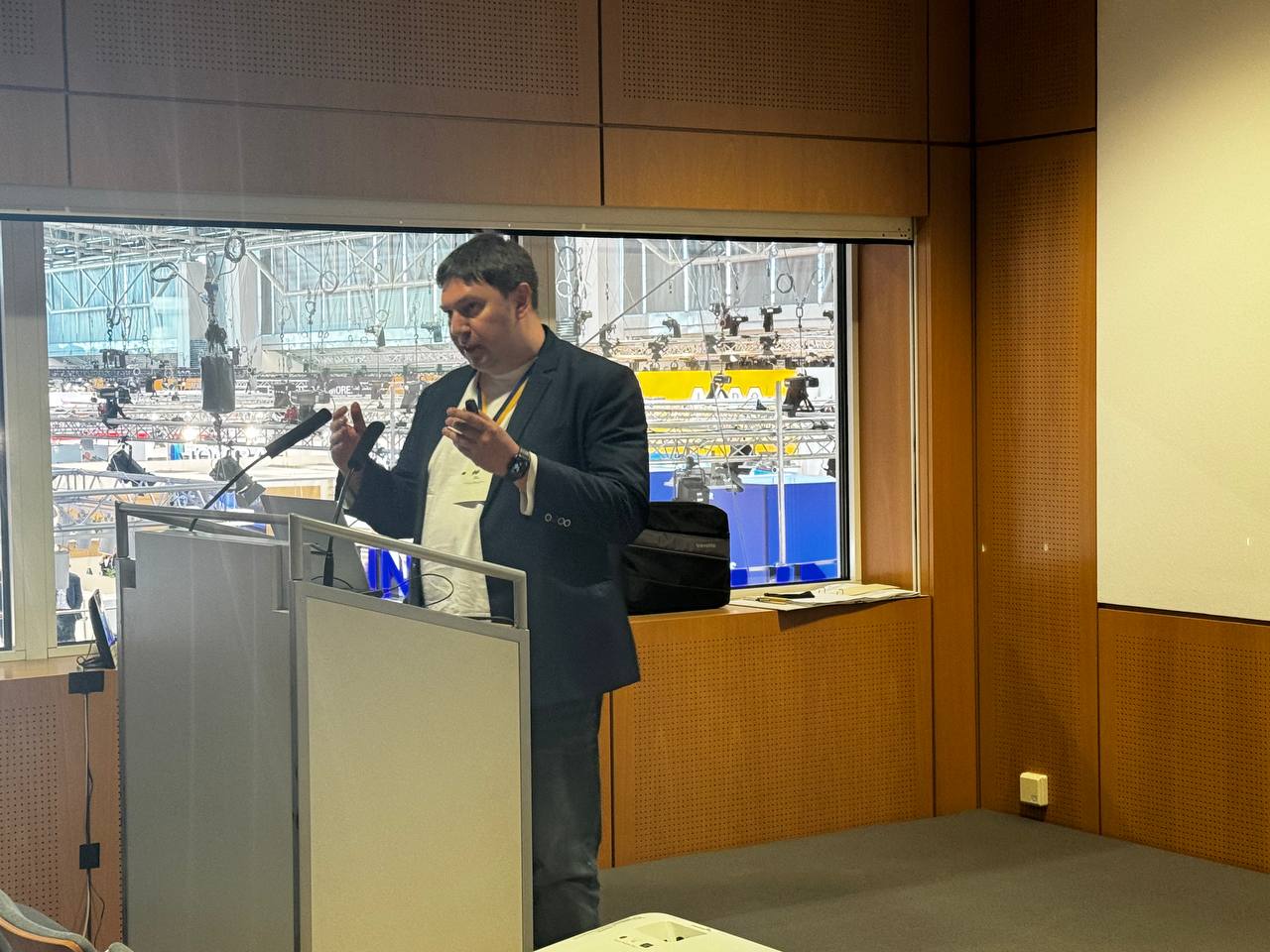
Oleksandr Kravchenko, Director of the Institute of Public Infrastructure LLC as representative of “Ukrainian Research and Training Center for Standardization, Certification and Quality” (UkrNDNC), participated in the discussion from Ukraine. He provided a detailed overview of Ukraine’s efforts to implement EU standards and requirements. He underscored that for Ukraine to integrate into the European legal framework, nearly four thousand laws and other regulatory acts need to be adopted or amended. Currently, extensive work is being done to approve European norms in Ukraine through various methods, including confirmation, translation, and review. Furthermore, he noted that in collaboration with international partners, a significant effort is underway to update all documents regulating the design, construction, and operation of the water supply sector. As a result, new standards will be developed and subsequently approved in accordance with Ukrainian legislative procedures.
Additional Information:
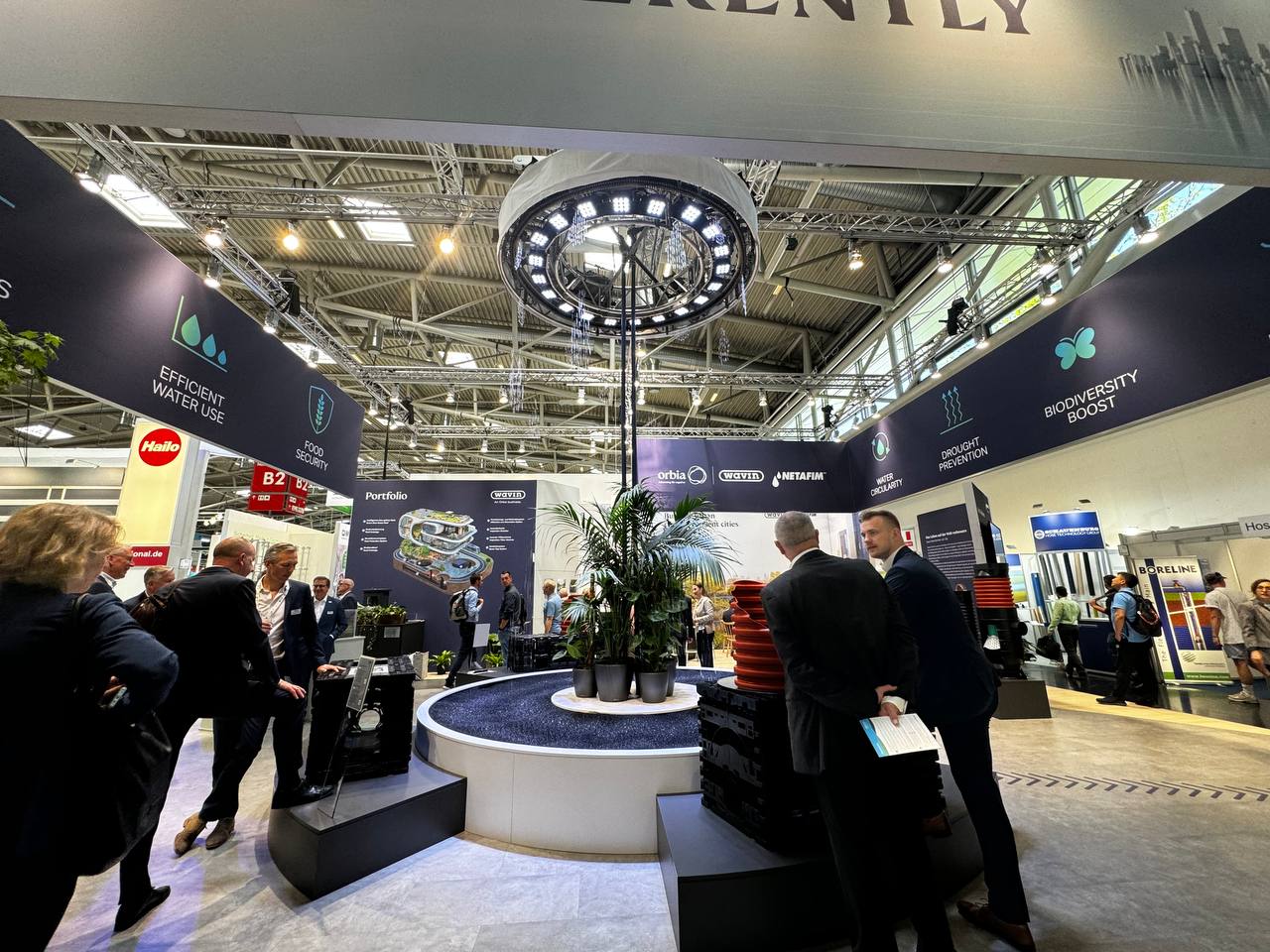
IFAT is the world’s leading trade fair for water, sewage, waste, and raw materials management, with a history dating back to 1966. Today, IFAT is one of the largest global platforms for showcasing innovations and solutions in environmental technologies.
IFAT 2024 boasts over 3,000 exhibitors, 300,000 square meters of exhibition space (equivalent to 42 football fields), and more than 120,000 visitors from over 150 countries. This year, the focus is on sustainability. For the first time, public transport tickets are included in the entrance ticket price. This is in line with the findings that 60% of visitors used public transport. The municipal transport sector exhibition showcased over 150 machines and trucks, including electric and hydrogen-powered vehicles.
The project “Water for the Future: Modern Standards for Water Infrastructure Rehabilitation” is funded by the Slovak Agency for International Development (Slovak Aid). The project is initiated by the Slovak company ESOL s.r.o. The project partner in Ukraine is the Ukrainian Association “Ukrvodokanalekologiya”.